
People can know what they should do with money and still struggle to do it.
They can understand budgeting, recognize the importance of saving and know that debt carries consequences. Some can even achieve substantial professional success and financial stability while continuing to experience anxiety whenever money enters the conversation.
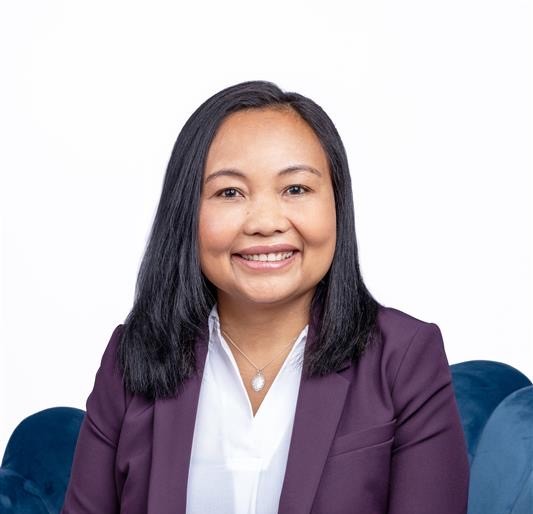
After more than 20 years in finance leadership, Sheila Baroro has come to believe that this gap deserves more attention.
Baroro is a CPA, finance executive, certified Trauma of Money Practitioner and founder of Rise & Rebuild Academy. Her work explores a part of financial wellbeing that conventional money conversations can overlook: the experiences and beliefs influencing financial behavior long before a person opens a banking app or creates a budget.
The Gap Between Knowing and Doing
Traditional financial education tends to focus on information. People learn how to manage expenses, save, invest and make more informed decisions.
Baroro does not dismiss those fundamentals. Her career has been built on them. She has managed multimillion dollar budgets across nonprofit and public sectors and spent decades working within environments where financial discipline carries real consequences.
But technical knowledge does not always explain human behavior.
Someone may understand the importance of saving yet feel compelled to spend. Another person may earn more than enough to cover their needs but remain deeply afraid of losing everything. Financial success itself may fail to produce the peace someone expected it to bring.
For Baroro, those contradictions are worth examining rather than judging.
“My own journey taught me that financial success isn’t always the same as financial peace,” she says. “That’s why my mission is to help people heal their relationship with money, release the limiting beliefs shaped by trauma and life experiences, and create lives of confidence, freedom, and true abundance.”
Looking at the Story Behind the Behavior
Through the Trauma of Money methodology, Baroro helps individuals consider how trauma, life experiences and limiting beliefs may influence their relationship with money.
The work can involve looking beneath a financial habit to understand the meaning attached to it.
Money can become associated with security, independence, control, belonging or fear. Those associations are personal, and they do not necessarily disappear when income rises or financial circumstances improve.
That is why Baroro sees financial wellbeing as more than reaching a particular number.
Her approach brings together two perspectives that have shaped her career. The first is grounded in finance and the practical realities of managing money. The second asks people to understand the emotional and psychological patterns influencing their choices.
The objective is not to replace sound financial practices with personal reflection. It is to recognize that lasting change may require both.
Expanding the Financial Wellbeing Conversation
Baroro is now bringing this message to conferences, organizations, podcasts and community events across Canada, while offering virtual presentations to audiences worldwide. Her Trauma of Money keynotes and workshops are available throughout the year.
Through Rise & Rebuild Academy, speaking, education and her broader consulting work, she is building a conversation around financial wellbeing that gives people room to examine both their finances and the experiences they bring to them.
Her background gives that conversation an interesting weight. Baroro did not arrive at this work from outside the financial profession. She spent decades inside it.
That experience taught her how important numbers are. It also showed her what numbers cannot explain.
A financial statement can document income, expenses, assets and liabilities. It cannot reveal why a person feels unsafe despite having savings, why certain decisions repeat across years, or why greater financial success does not always quiet the fear surrounding money.
Those questions require a different kind of attention.
For Baroro, understanding them can be an important part of building financial wellbeing that lasts.
Learn More
Learn more about Sheila Baroro and her work through Rise & Rebuild Academy and explore her financial consulting services at SMB Finance Consulting.