
Every year, millions of Americans develop chronic wounds that their doctors never adequately treat. Diabetic ulcers that go unmonitored for weeks. Pressure injuries that worsen between appointments. Wounds that, with earlier and more consistent intervention, would never reach the severity that forces a surgeon’s hand.
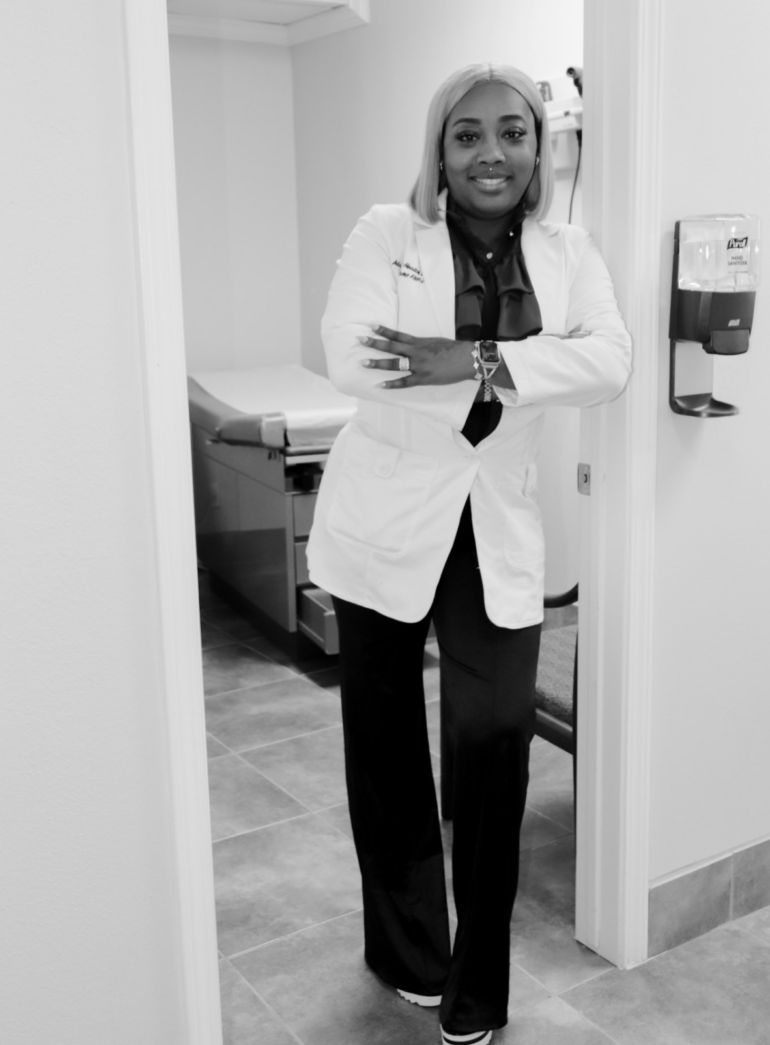
Tashiba Williams, NP-C, has spent more than 25 years watching this pattern play out. First as an emergency room nurse in Chicago, and later as a board-certified family nurse practitioner and wound care specialist in Houston, she has seen firsthand what delayed treatment looks like at the end of the line. The conclusion she has drawn is not a complicated one: the wounds that lead to amputations are largely preventable, and the barrier is access, not medicine.
“Chronic wounds represent a multibillion-dollar challenge for the healthcare system,” Williams said. “Mobile wound care is one of the most practical ways to address both sides of the equation: improving access for patients while helping healthcare organizations manage costs more effectively.”
The Scale of the Problem
Chronic wounds affect more than 6 million Americans and cost the healthcare system tens of billions of dollars each year. The conditions that most commonly lead to chronic wounds, namely diabetes and vascular disease, are also among the most prevalent chronic illnesses in the United States, and their rates continue to rise.
For patients living with these conditions, the risk of developing a serious wound is significant. For those in underserved communities, the risk of that wound progressing to amputation is disproportionately higher. Barriers including limited access to specialists, unreliable transportation, and gaps in follow-up care create an environment where wounds are routinely undertreated until they become emergencies.
Williams has been particularly focused on how this dynamic plays out among Black patients with diabetes, a population she has identified as facing elevated amputation risk due to a combination of systemic healthcare access issues and delayed referrals to wound care specialists.
Why Mobile Care Changes the Equation
The conventional model of wound care requires patients to travel to a clinic or hospital for treatment, often repeatedly and on a strict schedule. For elderly patients, those with mobility limitations, and those managing multiple chronic conditions simultaneously, that model creates friction at every step. Missed appointments mean missed treatment windows. Missed treatment windows mean wounds that worsen.
Williams built the mobile component of ADA Family Health Clinic specifically to break that cycle. By bringing specialized wound care directly to patients in their homes and communities, her practice removes the logistical barriers that most commonly cause treatment to stall.
“Mobile wound care reflects a broader shift in healthcare toward decentralized, patient-centered treatment,” Williams said. “By delivering specialized wound care directly to patients’ homes or care facilities, providers can intervene earlier, improve healing outcomes, and reduce the costly complications that often result from delayed care.”
The clinical logic is straightforward. More frequent monitoring means earlier detection of changes in wound status. Earlier detection means faster intervention. Faster intervention means fewer complications, fewer hospitalizations, and in the most serious cases, fewer amputations.
A Model Built for What’s Coming
The argument for mobile wound care is not only clinical. It is also economic and demographic. As the American population ages and the prevalence of diabetes and vascular disease continues to grow, the demand for wound care services will increase substantially. The existing infrastructure of clinics and hospitals is not designed to absorb that demand at scale.
Mobile care models offer a practical response. They reduce the burden on hospital systems by intercepting patients before their conditions require emergency intervention. They support the broader healthcare industry’s shift toward value-based care by tying reimbursement to outcomes rather than volume. And they deliver care in the setting where patients are most likely to remain consistent with treatment.
“As the population ages and chronic conditions like diabetes become more prevalent, the demand for wound care will continue to rise,” Williams said. “Mobile care models allow clinicians to meet patients where they are, which not only improves continuity of care but also supports the future of value-based healthcare.”
What Early Intervention Actually Looks Like
Since founding ADA Family Health Clinic, Williams has treated more than 343 patients across Texas and Louisiana. Among them are individuals who had previously been told that amputation was a likely or inevitable outcome. Through consistent mobile wound care, early intervention, and patient education, several of those patients were able to preserve their limbs.
Williams is careful to frame those outcomes not as exceptional, but as representative of what is achievable when patients receive the right care at the right time. The cases that end in amputation, she argues, are not failures of medicine. They are often failures of access.
Her broader hope is that her work raises awareness about preventive wound care, particularly among patients living with diabetes and vascular disease who may not know how early and how aggressively chronic wounds should be treated.
“My goal is to meet patients where they are,” she said, “and give them a chance to heal before limb loss becomes the only option.”