
The global explosion of African music and arts has often been characterized as a lightning-in-a-bottle moment, a series of overnight viral sensations that took the world by surprise. Yet, for those behind the scenes, like PR strategist and talent executive Hope Odabi, the reality is far more calculated. As the founder of The Dabigal Media House (DGM), Odabi is championing a shift away from the chaotic hit chasing culture of the past toward a model of intentional, strategic longevity that places the creator at the center of their own narrative.
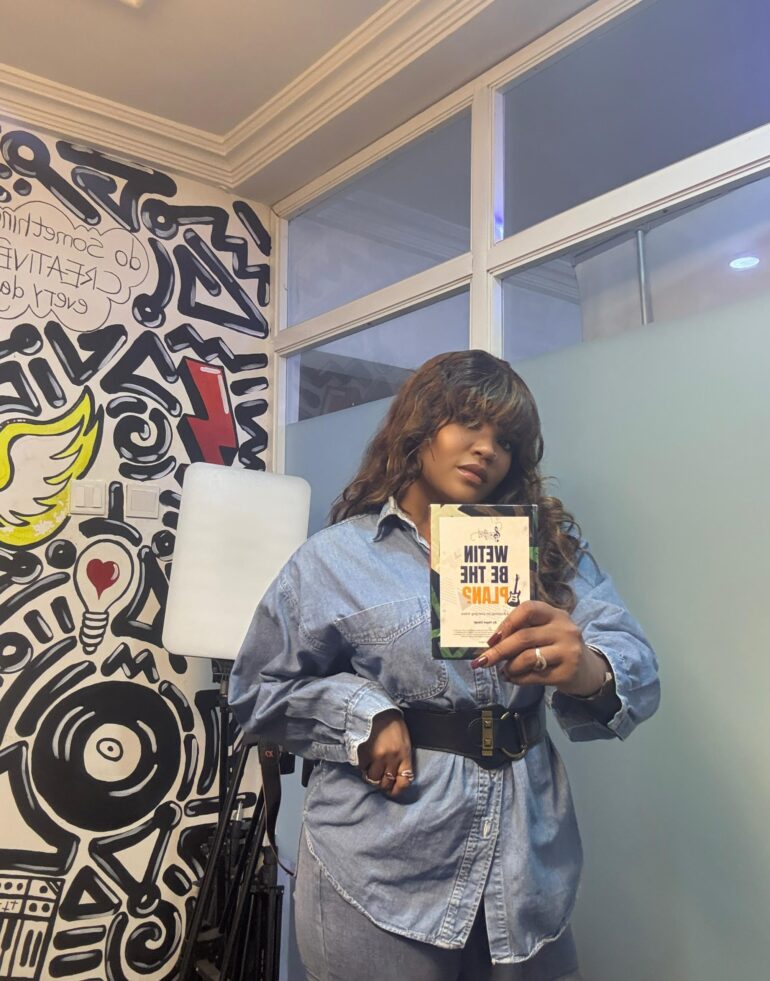
At the heart of Odabi’s philosophy is a single, provocative question that gives her book its title: “Wetin Be The Plan?” For Odabi, this isn’t just a catchy phrase; it is a foundational challenge to an industry that has long relied on grit and talent alone. She argues that while “talent gets you in the door, clarity keeps you there.” In an era where digital noise is at an all time high, her work focuses on helping artists navigate the business of the art, providing them with the structural guidance necessary to turn a moment of fame into a decade of influence.
The “Odabi Framework” moves beyond traditional publicity. Instead of merely chasing headlines, she works with artists to build Positioning Blueprints. This involves a deep dive into an artist’s brand DNA, identifying not just their sound, but their unique value proposition in a saturated global market. By the time an artist under Odabi’s guidance reaches the competitive U.S. market, they aren’t just presenting a song, they are presenting a fully realized brand ecosystem that is ready for high level partnerships and sustainable growth.
The necessity of this structural approach was recently laid bare at the 2026 Grammy Awards, where the “Best African Music Performance” category sparked a global debate. While many viewed Tyla’s second consecutive win over Afrobeats heavyweight Davido as a mere upset, Odabi identifies it as a clear signal of a shifting global metric. She argues that while Davido represents the pinnacle of cultural dominance and hustle, Tyla’s trajectory exemplifies the power of a “Cohesive Global Identity System.” To Odabi, the Grammy outcome wasn’t an indictment of talent, but a lesson in “Institutional Alignment” proving that in the eyes of global academies, a unified, data backed market entry plan often outweighs even the most massive viral popularity.
This approach is institutionalized through The Clarity Network, Odabi’s workshop and mentorship platform. Here, she addresses the mental infrastructure of the creative economy, teaching emerging talents that their most valuable asset is their brand equity. Through these sessions, she bridges the gap between raw creativity and commercial discipline, ensuring that African creatives are equipped with the contract literacy and strategic mindset required to negotiate as equals on the world stage, from New York boardroom meetings to Los Angeles talent summits.
Furthermore, Odabi’s work serves as a critical bridge for the American creative sector. As the United States cements its status as the primary consumption hub for Afrobeats and African IP, the need for professionalized, business ready talent pipelines is paramount. Odabi provides the essential connective tissue, ensuring that the talent exported from the continent is prepared for the rigors of the American entertainment industry. Her systems demystify the complexities of international media relations, making the transition from local hero to global superstar a matter of strategy rather than luck.
Ultimately, Hope Odabi is redefining what it means to be a PR expert in the modern age. She is an architect of clarity in an industry defined by noise. By focusing on the intersection of human storytelling and strategic discipline, she is ensuring that Africa’s creative boom is more than just a fleeting trend. She is building a legacy where the artist is no longer a passenger in their career, but the pilot armed with a plan that ensures their voice is heard, respected, and remunerated for years to come