

For generations, conversations about grief have centered on understanding, acceptance, and emotional resilience. While those perspectives remain essential, many people navigating profound loss still struggle with an unsettling question: Why does grief affect every part of life in ways no one prepared them for?
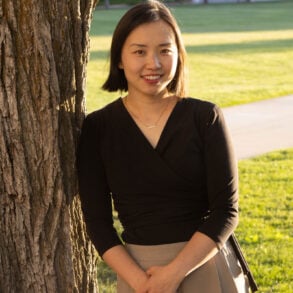
For widows especially, the answer often extends beyond emotion. It reaches into identity, decision making, cognitive function, and the nervous system. Heather Quisel believes those experiences follow recognizable patterns that deserve explanation rather than confusion.
After spending five years supporting tens of thousands of widows, Quisel is introducing SAFE → CLEAR → ROOT, a framework designed to provide structure to an experience that has historically lacked one. Rather than offering inspiration alone, the model gives widows a practical way to understand the predictable stages they move through after losing a spouse.
Turning Patterns Into Practical Guidance
Widowhood is one of life’s most significant transitions, yet there has never been a widely recognized framework that explains how it reshapes everyday functioning. Quisel observed that many widows described nearly identical experiences despite differences in age, background, and circumstance.
Through years of listening, teaching, and leading widow specific programs, she recognized recurring patterns that traditional grief resources often overlook. SAFE → CLEAR → ROOT was developed to organize those observations into a practical framework that helps women understand what is happening inside their bodies, minds, and identities as they navigate loss.
By replacing uncertainty with understanding, the framework encourages widows to view their experiences through the lens of what’s normal in the landscape of widowhood, rather than internalizing personal failure.
A Community That Shaped the Work
Quisel’s work has grown through direct connection with the widowhood community. Over the past five years, she has organically built an Instagram audience of more than 150,000 widows while leading programs and live events that continue to fill through word of mouth.
That community has become both the foundation and the validation of her work. Every conversation reinforced the need for a language that could describe the realities widows experience but often struggle to explain.
The public launch of SAFE → CLEAR → ROOT in 2026, alongside a keynote platform and a forthcoming book, marks an important milestone in expanding that conversation to widows, caregivers, and the organizations that support them.
Redefining What Support Can Look Like
As grief education continues to evolve, there is growing recognition that emotional encouragement alone may not fully address the complexity of widowhood. Education that explains patterns and normalizes lived experiences can provide an additional layer of support for women navigating profound change.
“Widowhood has a pattern. Most women just never get shown it. When a widow finally understands what’s happening to her in her body, her identity, and her capacity, the shame lifts and she stops measuring herself against a version of herself that no longer exists. That’s the only thing I’m trying to do.”
Heather Quisel’s work reflects a broader shift toward practical, framework-based grief education. By giving widows a framework instead of assumptions, she is helping transform how grief is understood, discussed, and navigated, replacing uncertainty with clarity and creating a path forward grounded in a shared language that reduces shame and helps widows understand what they are experiencing.
Learn More
Visit https://heatherquisel.com to learn more about Heather Quisel, the SAFE → CLEAR → ROOT framework, upcoming speaking engagements, and her developing book.
Follow Heather Quisel on Instagram at @heatherquisel.