
Today we’d like to spotlight our expert.
1. What is your name, title, and the name of your company or organization?
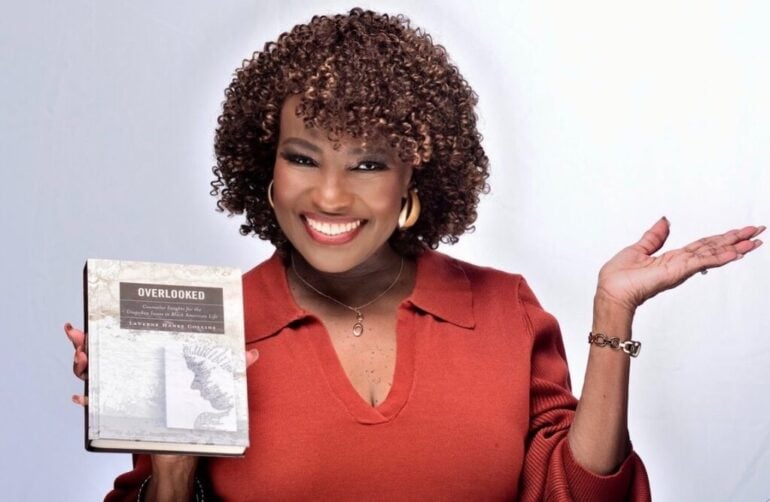
My name is Dr. LaVerne Hanes Collins, PhD, NCC, LCMHC, LPC. I am the Founder and CEO of New Seasons Counseling, Training and Consulting, LLC, a multicultural mental health organization dedicated to transforming clinical practice, professional development, and community well-being.
2. What do you do, and who do you help?
For more than 30 years, I have worked at the intersection of mental health, culture, leadership, and human development. Through counseling, continuing education, consulting, speaking, and professional training, I help mental health professionals, organizations, and communities better understand the impact of culture, identity, trauma, and resilience on human behavior and healing.
I am especially passionate about helping clinicians become more culturally responsive, ethically grounded, and effective in serving diverse populations.
3. What inspired you to pursue this work?
My journey has always been rooted in a deep curiosity about people, culture, and human potential. Early in my career, I noticed that many individuals and communities were being misunderstood—not because they lacked strengths, but because the systems serving them often lacked cultural context.
That realization inspired a lifelong commitment to helping people be seen more clearly. I wanted to bridge the gap between clinical knowledge and lived experience, between professional expertise and cultural understanding.
4. Tell us a little about your professional background and journey.
My professional journey spans more than three decades and several disciplines, including communications, management, counseling, education, consulting, and leadership development.
I founded New Seasons Counseling, Training and Consulting fifteen years ago with a vision that extended beyond traditional therapy. I wanted to create an ecosystem where individuals could heal, professionals could grow, and organizations could become more culturally responsive.
Over the years, that vision has evolved from a private practice into a professional movement that includes continuing education, keynote speaking, consulting, publishing, and leadership development initiatives that reach audiences across the United States and beyond.
5. What problem are you most passionate about solving?
I am passionate about solving the problem of cultural blind spots in mental health, leadership, and organizational systems.
Too often, people are evaluated, diagnosed, managed, or judged without sufficient understanding of their cultural realities, lived experiences, or social context. When that happens, opportunities for connection, healing, and growth are missed.
My work helps individuals and institutions see more clearly so they can respond more effectively.
6. What makes your approach or framework unique?
My work integrates clinical expertise, cultural intelligence, ethical decision-making, and practical application.
I often say that effective helping requires more than knowledge—it requires perspective. My approach challenges professionals to move beyond checklists and compliance-based thinking toward deeper understanding, critical reflection, and culturally informed judgment.
I focus on helping people develop the capacity to see what others may overlook.
7. What has been the biggest challenge you’ve faced, and how did you overcome it?
One of the greatest challenges I’ve faced has been continuing to advocate for cultural understanding during a time when many equity and inclusion efforts are being scaled back or eliminated. As someone whose work centers on helping people feel seen, understood, and valued, I have had to navigate the tension between cultural validation and cultural erasure.
The implications are significant. When culture is ignored, organizations, communities, and helping professionals develop blind spots that can lead to misunderstanding, mistrust, and ineffective solutions. In mental health, those blind spots can directly impact the quality of care people receive.
I have overcome this challenge by staying focused on the universal value of understanding people in context. Rather than retreating, I have continued teaching, writing, and speaking about the importance of cultural responsiveness—not as a political issue, but as a human and professional responsibility. The experience has strengthened my conviction that seeing people clearly is essential to healing, leadership, and meaningful connection.
8. What accomplishment are you most proud of?
One of the accomplishments I am most proud of is the recognition of my voice by the American Counseling Association (ACA), the world’s professional organization for counselors.
I had the privilege of serving as the writer/editor for Honoring Diversity, my 2-year series in ACA’s Counseling Today magazine, contributing to important conversations about culture, identity, and equity in mental health practice.
That work has now evolved and ACA has selected me to serve as the Series Editor for The Inclusive Practice, an eight-volume set that will be developed over the next four years and published by the ACA Publications Division. I developed the series’ framework to examine the major functions of counseling and psychotherapy through the lenses cultural responsiveness and the decolonization of mental health services. What makes this accomplishment especially meaningful is not the title itself, but the opportunity to help shape how future generations of counselors think about effective, ethical, and culturally informed practice. Contributing to the profession in a way that may influence clinicians long after my own career is one of the greatest honors I could imagine.
9. Can you share a success story or transformation from a client, customer, or community you serve?
One of the most rewarding transformations I witness is when experienced clinicians begin to see their work through a new lens.
Many arrive believing they are already culturally responsive. Through training and reflection, they often discover blind spots they never recognized before. The result is not guilt or defensiveness—it is growth.
Those clinicians frequently report stronger therapeutic relationships, greater confidence in complex cases, and a deeper appreciation for the role culture plays in clinical decision-making.
10. What are some common misconceptions people have about your industry or area of expertise?
One misconception is that multicultural mental health is only about race or diversity initiatives.
In reality, it is about understanding the human experience more fully. It involves culture, identity, family systems, history, faith, disability, socioeconomic realities, community influences, and countless other factors that shape behavior and well-being.
At its core, multicultural mental health is simply better mental health practice.
11. What trends are you seeing right now that people should pay attention to?
One trend that deserves far more attention is counselor burnout. The weight of the work is becoming increasingly heavy for helping professionals who are carrying high caseloads, navigating complex client needs, managing administrative demands, and often absorbing the emotional impact of the pain they witness every day.
Many clinicians entered the profession to make a difference, but too many are finding themselves exhausted, overwhelmed, and questioning their sustainability in the field. This is not simply an individual self-care issue; it is a workforce and leadership issue that affects the quality of care, retention of experienced professionals, and the future of mental health services.
I believe the profession must have more honest conversations about how we support those who spend their lives supporting others. If we want healthy communities, we must also invest in the well-being, resilience, and longevity of the people doing the healing work.
12. What advice would you give someone who wants to achieve similar success?
Begin by decolonizing your own life.
By decolonization, I mean examining the beliefs, expectations, and definitions of success that you have inherited from society, institutions, culture, or family, and determining whether they truly align with your values, purpose, and identity. It is the process of questioning what you’ve been taught to believe about yourself and reclaiming the freedom to define your own path.
Before you can help transform systems, organizations, or communities, you must first be willing to examine your own assumptions. Success becomes more sustainable when it is rooted in authenticity rather than performance.
My journey has taught me that meaningful impact comes not from becoming who others expect you to be, but from becoming more fully who you were created to be. When you do that, your work carries a different kind of clarity, conviction, and influence. over time.
13. What projects, events, books, programs, or initiatives are you currently working on?
One of the projects I’m most excited about right now is the Culture and Clinical Decision-Making RESET, taking place August 20–22, 2026, via live ZOOM. This special event is the culmination of the 15th anniversary of New Seasons Counseling, Training & and Consulting.
RESET is not a conference, summit, or symposium. It is an intentional invitation for helping professionals to pause, reflect, and recalibrate in response to what I call “The Weight of the Work.” Mental health professionals, educators, advocates, and leaders are carrying tremendous emotional, ethical, cultural, and organizational responsibilities, often while managing their own challenges and fatigue.
We have assembled an extraordinary lineup of thought leaders, including David Archer, Dr. Norma Day-Vines, Dr. S. Kent Butler, Dr. Portia Lockett, and myself. Together, we will explore some of the most pressing issues facing today’s helping professionals. More than information, RESET is designed to create transformation. Participants will leave with a renewed perspective, practical strategies, and a deeper understanding of how to balance work and their own care.
14. What is your vision for the future?
My vision is to help create a future in which culture is not treated as an afterthought in mental health, education, leadership, or community systems.
I want to see a new generation of professionals equipped to think more broadly, serve more effectively, and lead more compassionately.
Ultimately, I hope my work contributes to a world where more people feel seen, understood, and supported.
15. If you could leave readers with one key message, what would it be?
Never underestimate the power of seeing people clearly.
When we move beyond assumptions and take the time to understand someone’s story, context, and humanity, we create opportunities for healing, connection, and transformation.
The quality of our impact is often determined by the quality of our understanding.
16. How can people connect with you and learn more about your work?
People can learn more about my work by visiting NewSeasons.training.
They can also connect with me through LinkedIn, listen to The Multicultural Mindset podcast, attend one of our professional training events, or invite me to speak for their organization, conference, or leadership development initiative.
I always welcome opportunities to collaborate with individuals and organizations committed to creating meaningful and lasting impact.